Trigger warning/content note: sexual assault, manipulation, trauma, suicidal ideation, and healing.
Author’s note: This essay comes from a long process of piecing together what my body remembered before I could actually accept and name it. I did not do that alone. I have done it with therapy, family, chosen family, close friends, and time.
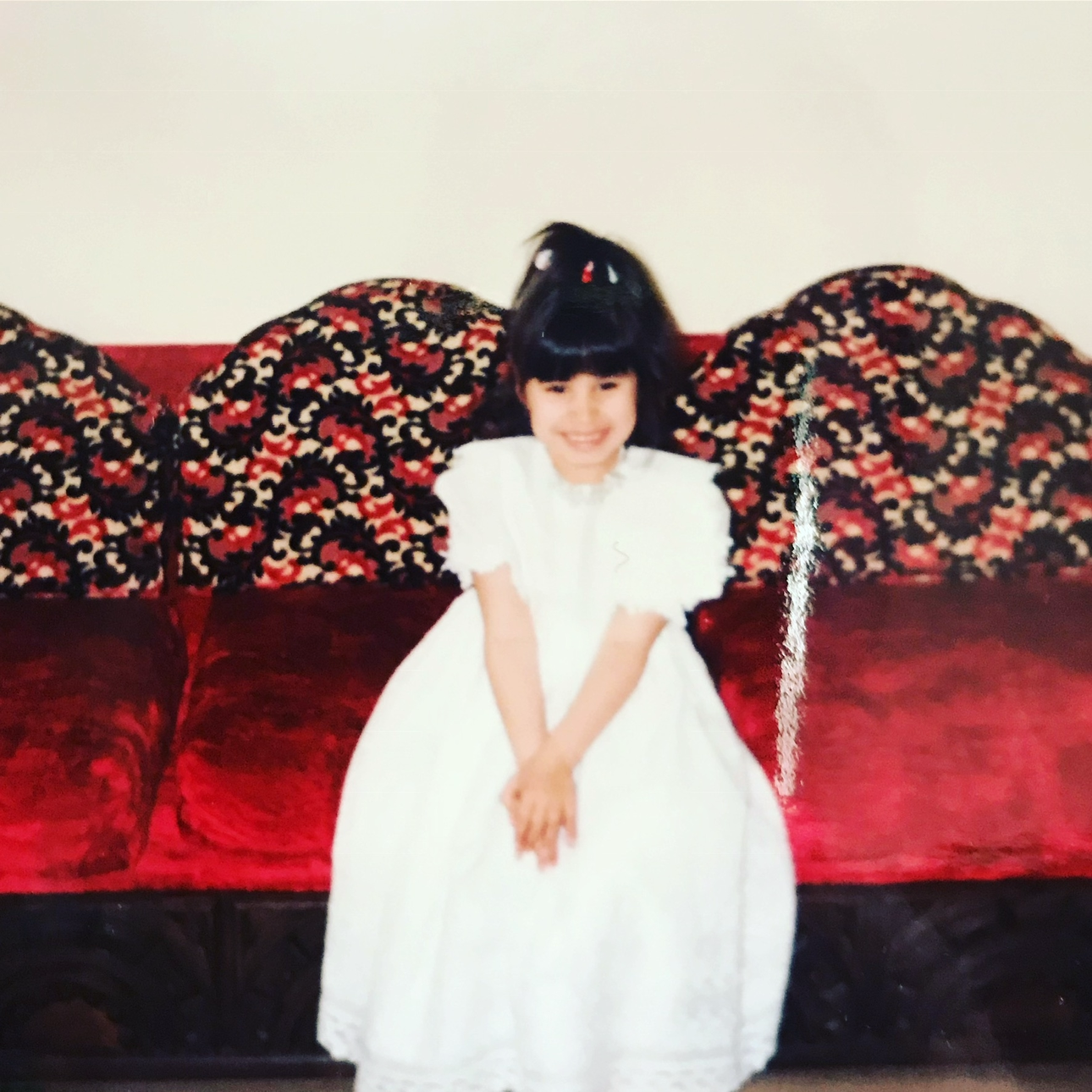
I am still in the process of healing. The reason I am sharing this is for the little girl in me who was never able to say anything, and for the thirty-year-old woman who was not able to report it in time. And if this resonates with you, then maybe it’s for you as well.
I know what I can and cannot do with this legally.
But here, at least, I can say it in the present.
Here, at least, I will not be silenced.
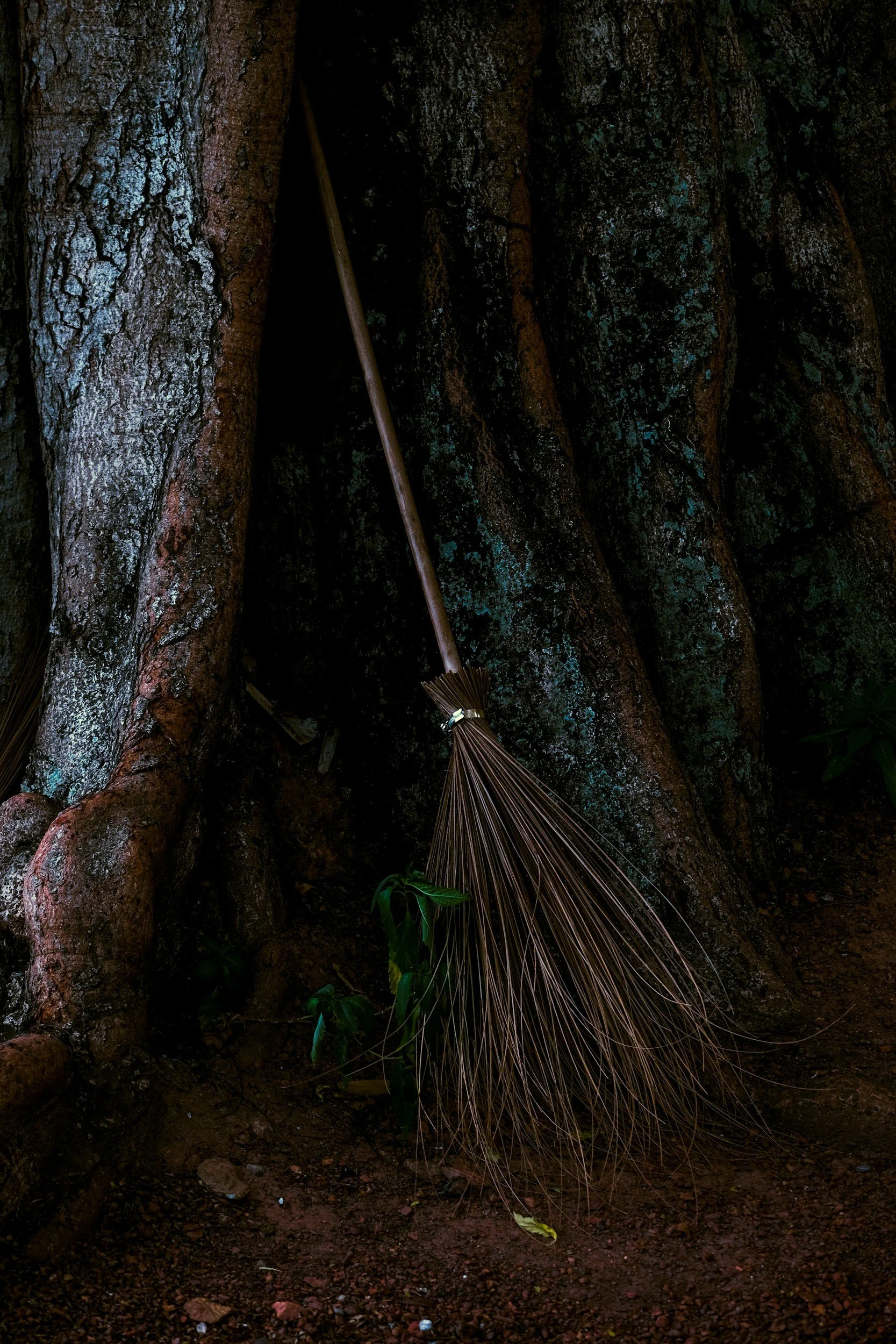
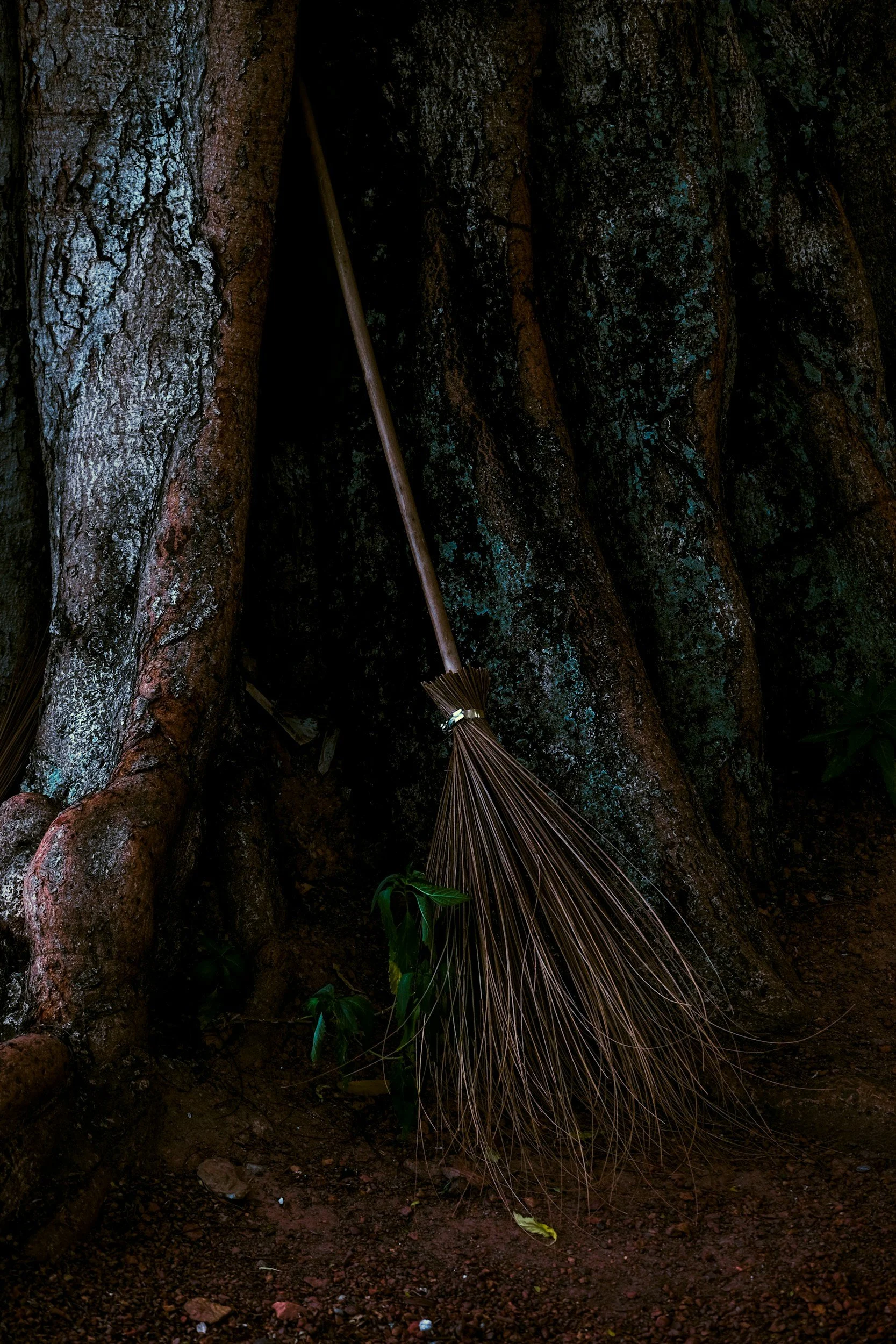
L took away the broom, and suddenly it seemed like I could no longer keep anything clean.
Not the floor.
Not the house.
Not the story I had been telling myself.
Everything got so dirty. All my intentions, all the things I had been setting, started falling in on themselves. All the good intentions I had for this place we all lived in. I had been trying to make the house feel better. Safer. More peaceful. More alive. I wanted the energy to change. I wanted everyone to get along. I wanted what had been broken to become something gentler.
“So I’ll get another broom,” I told myself.
But every broom I looked at was wrong.
It had to be that broom.
I didn’t understand why. Not then. I just knew that none of the others fit. None of them had the same bristles. None of them belonged to the house in the same way. None of them held the same intention.
But the truth is, the broom was never the point.
The broom only showed me what I had been trying not to know.
A few months ago, I decided to face the man I had been afraid to name clearly. I thought of it as part of my healing. Some kind of exposure therapy. A way to be respectful. A way to be neighborly. A way to stop letting fear rule the house.
Not because he deserved my softness.
Because I wanted peace.
Because I knew the harm he caused did not come from me. It came from whatever sickness, wound, entitlement, and rot lived in him. I didn’t want or need an apology. I wanted him to sit with himself and learn from himself, the way I was trying to sit with myself and learn from me.
I thought it was going well.
Everything seemed to be coming together.
I had been manifesting good things. I had shaved all my hair off to start fresh. I had told myself I didn’t want any part of him that had touched me. I scrubbed my skin raw in the shower. I got new tattoos. I bought wigs. I dyed my hair. I made cleaning schedules. I started taking care of myself, then the house, then the outside of the house.
I started bringing the healing outward.
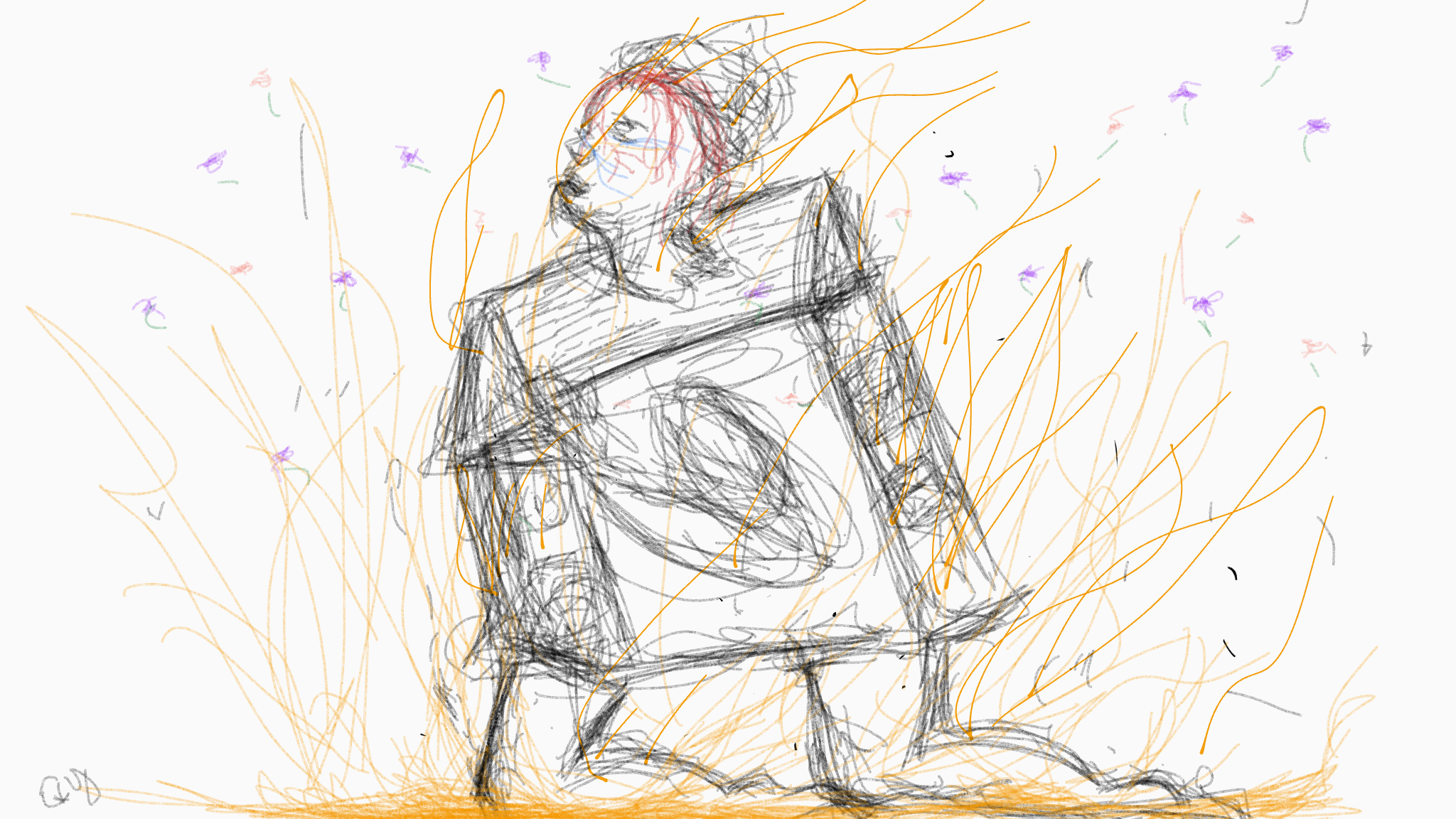
I asked if I could plant flowers in the front yard. With permission from the landlord, my brother and I bought beautiful plants, and I began planting them during the weekend. I wanted the house to flourish. I wanted everyone in it to feel something good. Even if I eventually left, I wanted to leave the place better than I found it.
That was the version of me still trying to turn pain into usefulness.
That was the version of me still believing I could cleanse a whole house while lying to myself inside it.
When I saw his car pass, my mind started racing. Should I rush? Should I leave? Should I finish the work the way I normally would — the way I was taught: with good intention, with time, and by letting it flow?
So I stayed.
Eventually, he came out and greeted me.
He had the gall to hug me.
“You know we have our tiffs and all,” he said.
My face twisted.
“Tiffs? Okay.”
I laughed it off because sometimes laughter is the last little bridge between what your body knows and what your mouth is not ready to say.
I invited him to garden with me. I mentioned that I had invited L too, but he had not responded. I said it casually, but I understand now that I have always known how to mention a man when I feel unsafe. Since I was a child, saying a man’s name felt like protection. Like proof that someone else existed near me. Like maybe proximity could make me safer.
But with this man, proximity never protected me.
It only confused me.
He made small comments. Dismissive comments. Comments that sounded casual unless you knew where to look. I know where to look now. I know the difference between a joke and a blade passed gently under the table.
Something that day told me: face him.
Something told me: break the mold.
Not because I should have been alone with him. Not because it was safe. But because some part of me was still trying to understand him. Some part of me wanted everyone here to get along. And that hope did not come from nowhere.
He had mentioned camping.
He had talked about going upstate, about getting away for a weekend, about all of us somehow being in the same place without the sickness underneath it. I could see it like the final frame of a movie: L, my brothers, me, the families, everyone healed, everyone camping, everyone laughing, everyone turning the house into a home.
That was the fantasy he helped place in the room.
The healed version.
The lie I wanted to believe because the truth was too ugly to hold yet.
Before we went to the park, he told me to come inside the apartment. I had not been there in months. I had not even gone in when I came down to thank L for something small that had not felt small to me at all.
I came to thank L for helping me get to work on time, but it turned into thanking him for something much bigger: for helping pull me back to myself. He came to my apartment once when I had been lost for a minute, just chilled for a bit, talking to my brother and me, and that simple act brought me back in a way he probably does not understand. He came in. He gave a damn in his own little way.
And because I had love in me, because I had hope in me, because I had confused endurance with healing more than once in my life, I thought: if I can step into this space and not be sick, maybe I can reclaim something. Maybe I can watch a movie here one day. Maybe I can eat dinner. Maybe I can sit near someone I love without the past choking me.
So I walked in.
I endured.
I felt sick.
I felt scared.
And I held the pressure.
I watched him roll weed, then went upstairs to get ready. I told my brother who I was going out with, just in case, because some part of me knew I was preparing for a battle I was not ready for.
I thought I was walking into clarity.
And I was.
Just not the kind I expected.
We went to the park. He said he liked driving there because no one could see him walking due to workers’ comp. He said he wanted to be somewhere more secluded. He did not tell me to bring a blanket. He brought one seat.
I saw the red flags.
I stayed anyway.
I had my keys. I had my phone. I knew the park well. And that day, I told myself I was not there to talk as much as I was there to listen.
He lit a strain called “Speedy Gonzalez,” and I laughed because of course. Almost kismet. He started talking while watching the volleyball players. He talked about the game, about his life, about how this was his “last summer” because he was leaving in four months.
There it was.
He was leaving.
He was always leaving.
When we first slept together, he said he was leaving. Every time after that, that was the line. He was always going back to Puerto Rico. He was always almost gone. He was always temporary when it was convenient and present when he wanted access.
I clocked the time.
He had told my brother and me in December. Maybe next year. He wasn’t sure. Now, suddenly, it was definitely September.
Something in me was listening differently.
Something in me was finally taking notes.
At one point, I said something I thought was true, but now understand as part of the story I had built to survive him.
“You know I love you, right?”
He looked at me, shaken.
But even that sentence needs context. I had told him before, in Spanish, “Te quiero, como amigo. Te quiero mucho.” I had always meant it that way. As love. As friendship. As love poured into someone I believed was my close friend.
So when I said “te amo,” part of me knew it would throw him off. It was meant to. He was always berating me, saying, “Estás enamorada de mí,” and I knew the phrase would hit his ego somewhere, but also jolt him. Maybe, I thought, it would keep him at bay. But I still meant it from the same place. I meant: I care about you. I have loved you as a friend. You have mattered to me.
But there were also two undeniable truths.
“To be in love, there have to be two people,” I told him, “and you and I are not in love.”
It was something I had always said to him, which I thought would be a clue that I meant it the same way. Between him and me, there were never two people who were in love. There was one person who cared, one person who tried, one person who learned to trust and poured love into a friendship — me. And there was one person who mocked it, insulted it, berated it, and made it something ugly — him.
The other truth was this:
He hurt me devastatingly by telling me the only reason he started being friends with me was for sex. Which means the friendship was just a con. All of a sudden, the way he treated me throughout the years, and particularly after we had sex, made sense.
I mentioned L only to explain the difference. What I felt there was recognition — media naranja — a love that felt whole, whether or not it ever became anything, and I respected it. What I felt with this man was aferrado: clinging, sick passion, attached but not clean.
Maybe that is why every time L came up, the little cuts started.
I had always known how I felt. It could never be more. I gave my trust, my care, my loyalty to a friendship with him. Or so I thought.
The sex was something I had allowed out of trust. Only later was I able to understand those years of trust were years of manipulation.
When he started to explain why it would never work between us, I realized immediately that this outing would be taking an unexpected detour.
I let him reveal himself.
Boy, I wish I hadn’t.
He went on about why he could not love me. Why we were different. Dress styles. Movie styles. Religions. Taste. All of it laid out as if he had ever really tried to know me.
He had not.
We had never gone to see one movie together. I invited him out — to coffee, to walks, to ordinary things friends do when they are trying to know each other better — and he never had the time. I had tried to talk to him about politics, and he low-key told me it was not for women to talk about. I had tried to show him what I liked, and he barely tried to get into it. Even as a friend, he did not try.
And something in me cracked open.
Not because I wanted him.
Because I finally heard him.
And I was free of that sick, clingy poison.
He was telling me, in all his careful little ways, that he had treated me as less than because he saw me as less than. He could soften it. He could dress it up. He could lie through his teeth and say otherwise. But when you do not listen to someone, when you do not give them effort, when you touch their life without honoring their personhood, you have already said what you believe.
The truth is, I am plenty fucking amazing.
The truth is, I am worth everything.
And I am tired of translating someone else’s cruelty into a language that hurts me less.
He talked about L too. Every time L came up, there were comments. Little cuts. He would tell me L did not go out. L did not see people. L would not respond to me anymore. Years before, he had told me similar things. He told me L did not want to see me. He told me not to bother him. He told me L thought I was crazy. He made himself the translator between me and someone I cared about.
I trusted the wrong interpreter.
I trusted him because he stood close to people I loved.
That is one of the hardest truths to hold. I mistook proximity for safety. I thought because he was close to L, close to L’s father, close to the house, close to the story, that he could be trusted with parts of me.
But access is not safety.
Familiarity is not safety.
A man standing near someone you love is still capable of harming you.
For a moment, I thought about calling him a monster throughout this essay because I needed a word big enough for what my body knew before my mouth could say it.
But maybe that gave him too much credit.
He was not a creature from a story. He was not some ancient evil. He was not special.
He was a man.
A man I trusted.
A man who knew how to sound wounded while making me unsafe.
A man who used language, sympathy, trauma, and access to make me doubt myself.
A man who stood close enough to love that I confused him for protection.
And maybe that is the part I have to stop dressing up.
Not because he deserves softness.
Because I deserve clarity.
And that is where it should have ended.
Where it should have ended.
But it didn’t. I was unwell. And I was stuck. Compromised.
And this was right where he wanted me.
Because he wasn’t going to give up unless he tried.
At the park, he told me about his childhood. His heartbreaks. His embarrassments. His traumas. He told me things I know are hard to tell. I know what it means for the body to carry stories it can barely survive speaking.
And still, something in me grew angry.
Not because I had no compassion.
Because I could see where he wanted the story to go.
He let go of my hand because he saw it in my eyes.
I wasn’t buying it.
Still, the child in me wanted to reassure him. I was high. I did not feel well. I was not sure about anything except the old instinct to comfort pain when I saw it. So I leaned in and hugged him. I kissed his forehead.
And then my body remembered something before my mind did.
I moved away quickly.
He laughed and said something sexual. Something vile. Something that turned my compassion into a target.
Who does that?
After saying what he had said?
Who takes a moment of tenderness and makes it unsafe?
I had already told him I was not feeling well while smoking. He knew I was impaired. He knew. And still, he pushed. Still, he watched. Still, he seemed disappointed the outing was not becoming whatever he had imagined it would become.
Near the end of the outing, I kept saying how much clarity I had. I said it was one of the best days of my life because I finally understood him. I went there to sit with my “monster” face to face and say, in my own way, “I see that you are damaged, and I hope one day you sit with yourself, apologize to yourself, and heal.”
Technically, that was the first thing I said right after that “te amo,” and that is where that outing should have ended.
But it didn’t.
It was never going to.
Because he was trying to get something completely different, and he wasn’t getting it. Nothing he was trying was working.
So he tried one more thing.
“One more thing. You remember that night?”
I did not want to repeat it again.
“Yes. What?”
“When you told me you wanted to suck my dick.”
I recoiled.
I started to say what I remembered. That he forced my head to his face. That he forced my hand down his pants.
He interrupted.
He tried to redirect the memory back into something he could live with.
He said I had made it sound like I was only there to talk, not for sex. Like he had violated me or something.
And there it was.
I wasn’t out of the thicket yet. Not entirely.
My body knew before I did.
I went there to talk.
I had not gone there for sex.
I had felt forced from the moment he forced my head to kiss him. From the moment he forced my hand down his pants. I didn’t want to have sex; that’s why I asked if he wanted head. This was not kink. This was not play. There was no permission being asked for and freely given.
There was pressure.
And he knew that.
He knew my history. He knew what I had survived. He knew the places in me that had already been hurt.
And still, he pushed.
I felt forced to keep going. Forced to get on top of him because he wouldn’t cum, because it would not end, because my brain had already gone into that place where the only instruction left was: just get it over with.
“It was what you said.”
My body was yelling at me.
I had softened the truth for him because I had been softening it for myself.
I did not forget.
I refused to call it what it was.
I refused because calling it what it was meant remembering the promise I had made myself: to never let any man touch me like that again.
Because I had made a terrifying promise to myself if a man ever did.
And a man did.
When that truth landed, I needed everyone with me. I couldn’t be alone. I was actually very scared to be by myself. I hated what my brain was doing. I love, however, how my family, therapists, friends, and ancestors/spirit came through. This honestly hasn’t been easy to get through, and with their help, I have been getting through it.
I kept talking down to myself, saying, “I swore I was smart. I swore I was intelligent. I went through this before. Why didn’t I know?” No measure of intelligence, no measure of trauma, could have prepared me for this. My therapists have reassured me that this could have happened to anyone and that this wasn’t my fault. And I have reassured myself of that same fact every day since I have settled with the truth.
People sometimes don’t understand that the body remembers before the story is ready. Sometimes you do not forget the facts. You forget the name. You remember what happened. You remember what was said. You remember the room, the feeling, the sickness, the way your brain said: just get it over with.
But you do not call it what it is.
Not yet.
Because naming it would tear down the whole structure you built to survive around it.
And I had built a structure.
I called it friendship.
I called it care.
I called it love.
I called it healing.
I called it facing my fear.
I called it wanting everyone to get along.
But the truth was simpler and more painful.
I was manipulated by him.
I was raped by him.
It happened.
It is fucking shitty and fucked up and terrible, and it sucks, and that’s putting it so fucking lightly.
And I have to sit with that truth without shaming myself for it.
I loved him. I thought he was my friend.
And now I know I had been convincing myself and everyone I know that I still loved him, and everyone looked at me like something was a tad broken in me, and it turns out, yeah — they were right. He was even more vile than I could admit, and the reality was more than I could handle.
I hated him. I hated myself. I had been dressing that hatred as love because love was the language I knew best. I love genuinely. I love deeply. I pour care into people. I make meaning. I try to understand where pain comes from.
But understanding someone is not the same as excusing them.
Compassion is not consent.
Pain does not make a person safe.
Trauma does not make a person harmless.
And my love was never supposed to be the place where someone else hid their violence.
The day after the park, he checked in. I told him I had onion bulbs for him and to come upstairs. When he did, he stopped on the steps.
“Why only here? Come up to the garden,” I said.
He said there were too many people upstairs.
“It’s my brother,” I told him.
He said it was better when it was just us.
Then I saw him grab himself.
And my brain started screaming.
This was not a misunderstanding.
This was not friendship.
This was not healing.
This was sickness.
He had done something similar before. On New Year’s, I had invited him and L upstairs. He told me L had gone to his room as soon as he heard me knock. He told me he would rather it be just us.
It all got louder.
The pattern started making a sound.
Then came the broom.
L needed it, or said he needed it, for the backyard. I was still trying to finish the front. When he saw me, he retreated. I could feel him looking for distance, and my old fear rose up.
“If you don’t like me, if you don’t want to be around me, just say it.”
There it was again.
The fear of being hated.
The fear of asking and hearing the answer I had been trained to expect.
He reassured me in his own way that he just needed the broom. But when I came back, the broom and dustpan were gone.
And I panicked.
I was angry.
I was lost.
I needed that broom.
Or I thought I did.
But the panic was not about the broom.
It was about the spell breaking.
I had been trying to clean the house with intentions that were not true. I had been trying to fix a problem I could not fix. I had been trying to create harmony in a place where my own body was still telling the truth and I was still asking it to wait.
The broom mattered because it belonged to the house.
But I do not belong to a house more than I belong to myself.
The intentions were not working because I was not setting them for myself.
I was setting them for peace.
For everyone.
For the house.
For the fantasy.
For the photo finish.
For the version where everyone heals because I stayed soft enough.
But I was not setting them from the truth.
The truth is that the loops only stop when I recognize what happened, name it, and stop shaming and hating myself for surviving it.
The truth is that I have to stop silencing myself for men.
Stop writing it only in poetry for the world or my soul to decipher.
Say it simply.
Say it painfully, so I understand.
I was manipulated.
I was raped.
It happened.
I cannot control whether he ever looks at himself and recognizes the harm he has done. I don’t know if I’m the only one he’s done something like this to. I can’t control whether anyone believes me. I can’t control what people do with the truth once it leaves my mouth.
But I can stop abandoning myself in advance.
I can stop making him larger than he is.
He is not a “monster.”
He is a man who harmed me.
And I am a woman who remembers.
A woman who has hated herself for having put herself through this generational bullshit for so damn long.
A woman who is learning to forgive herself for it.
So for that, thank you.
And I also have to be honest: L hurt me too.
Not in the same way. Not in the same place. But he hurt me.
And as much as I love him, as much as I want to give him grace, I cannot use grace to silence myself. I cannot make my love for him another place where I disappear.
I can thank him for the small things that helped me come back to myself. I can love him. I can wish him healing.
But I can also tell the truth: his absence hurt me. His distance hurt me. His silence hurt me.
And I am no longer willing to call that nothing just because I understand where it may have come from.
In Muisca belief, we are all reflections of one another. So if I saw myself reflected in you, L — in your wounds, in your distance, in your light, in whatever part of you I recognized before I had language for it — then maybe you are in for one beautiful ride in this lifetime.
The journey is great, king.
Messy, but beautiful.
Please take it.
With so much love and gratitude.
I have entered a kind of peace in knowing now.
Something I didn’t get when I was younger.
Or a decade ago.
I know it now, through myself in the present.
Through my body.
Through my mind.
Through the part of me that finally understood my love was real, but my endurance was not proof of it.
Through the part of me that finally let the story become plain.
A garden was never going to make the house a home.
The broom was never going to heal the house.
But losing it helped me stop lying to myself.
And that is where everything started looking much cleaner.
support/assistance/help if you ever need it ( they will be posted on the other content heavy blogs/ essays as well):
RAINN National Sexual Assault Hotline: 800-656-4673
988 Suicide & Crisis Lifeline: call or text 988
Crisis Text Line: text HOME to 741741
National Domestic Violence Hotline: 800-799-7233 or text START to 88788
https://pflag.org/resource/support-hotlines/
Call or text 1-844-7NATIVE / 1-844-762-8483. StrongHearts offers 24/7 confidential and anonymous support
https://www.niwrc.org/
https://www.thetrevorproject.org/get-help/
Trans Lifeline: 877-565-8860 in the U.S. / 877-330-6366 in Canada
If you are in immediate danger, call 911 or your local emergency number.